
Welcome To Bilal Community Center
Dallas Ethiopian Muslim Community Center
Bilal Community Center is non –profit, no political membership based religious organization.
Bilal Community Center is a registered religious organization incorporated under section 501{[c]}3 of the IRS code. Article of incorporation is filed with the secretary of state of Texas.
The Mission of Bilal Community Center (BCC) as a religious organization is first and foremost to establish community of Muslims who serve Allah SWT, the almighty and all powerful (al qadeer) God as prescribed by the holy Quran and the guidance given by the last messenger prophet Mohammed SAW.
Years Serving The Community
Some of Our Programs Available
Nebel Hamza Quran Program
Edir Program
Youth Quran Tafsir
Weekly Mothers Group
Bilal Community Center is non –profit, no political membership based religious organization.
Bilal Community Center is a registered religious organization incorporated under section 501{[c]}3 of the IRS code. Article of incorporation is filed with the secretary of state of Texas.
Community Gallery
Bilal Community Center
Photo Gallery
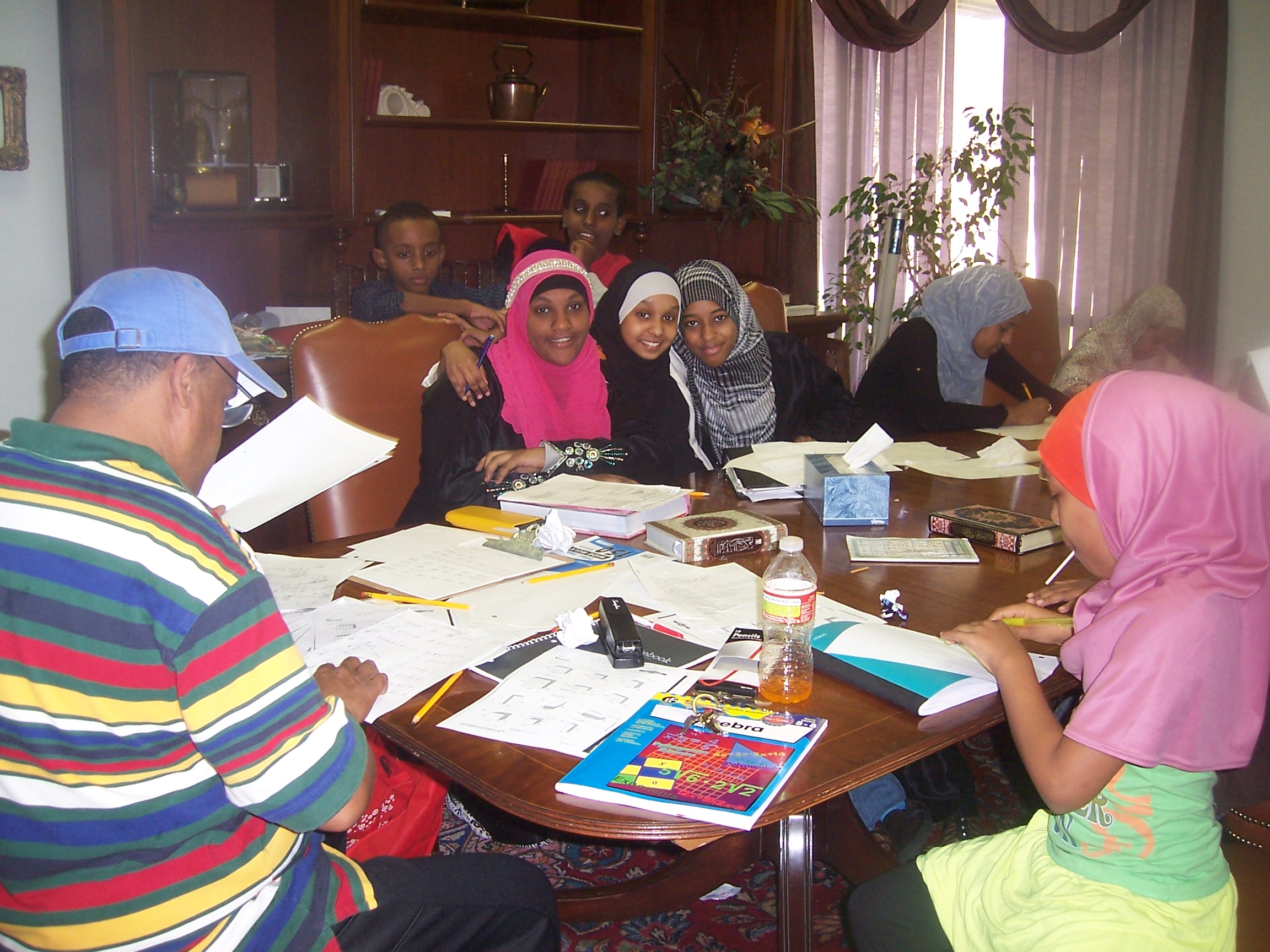
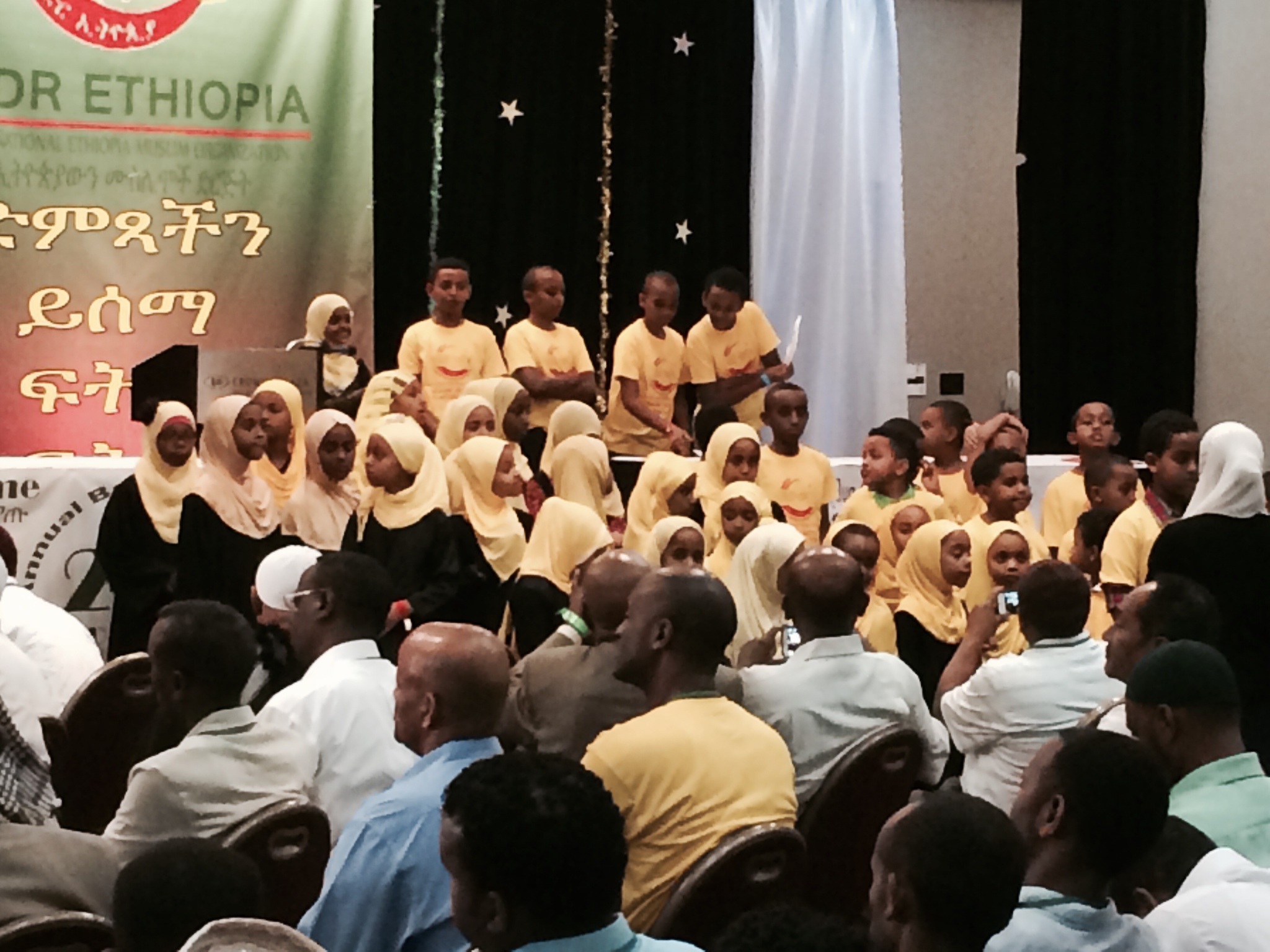
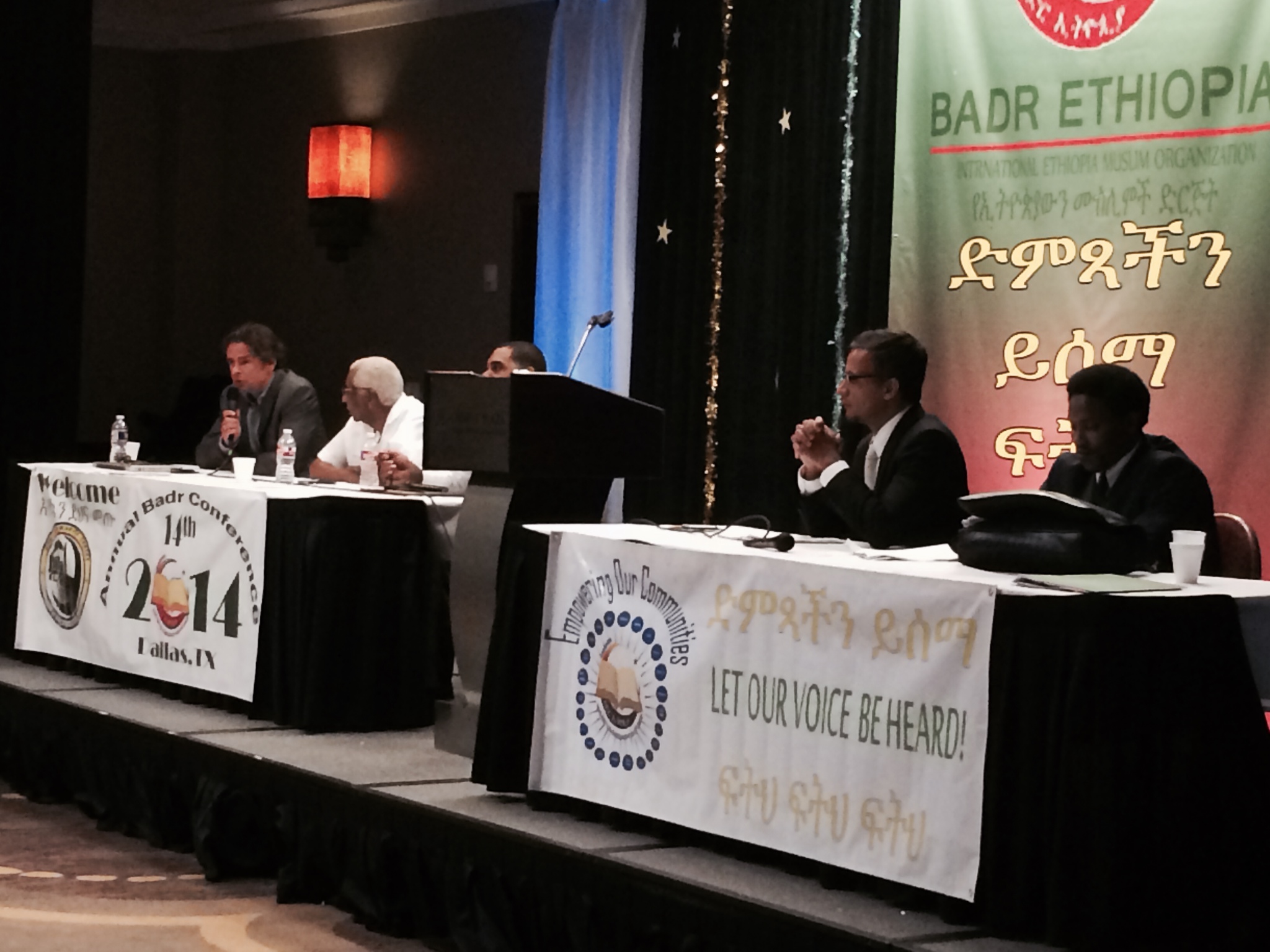
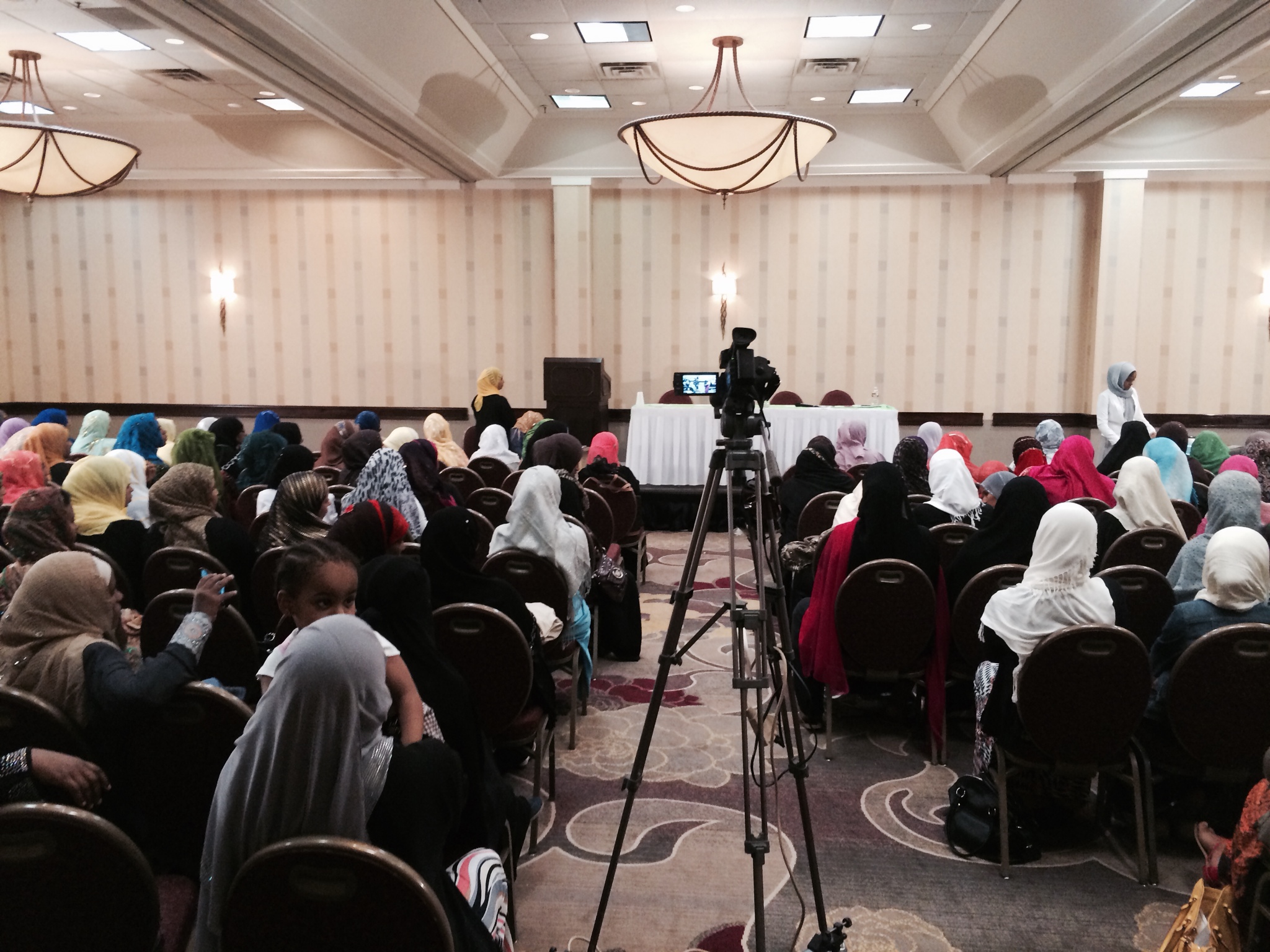
What The Community Thinks
Bilal Community Center
Feedback
Abdul kamal
Community Member
Rehana Sheriff
Community Member
Bilal Ali
Wonderful community ran by dedicated volunteers. Youth events and general community events are held here year round!
Semir Adem
Its good but id like it to be international and to make the kids room more games to play for
Our Future Plans
BCC currently has secured a purchase of land that is 5.6 acres for building the future BCC.
BCC is currently embarking on a journey to build a community center that is capable of providing many services. As a mega expansion project of the community center, BCC is considering building a community center with a main prayer hall for five times daily prayer that could be used by any Muslim in the area, an open to all prayer center.
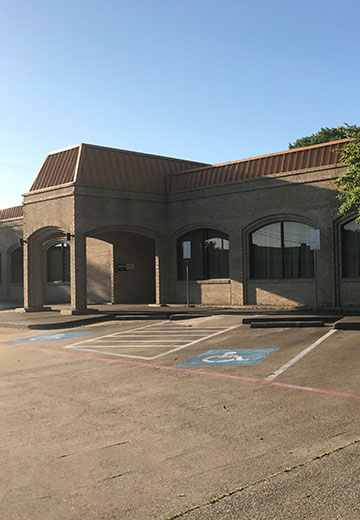
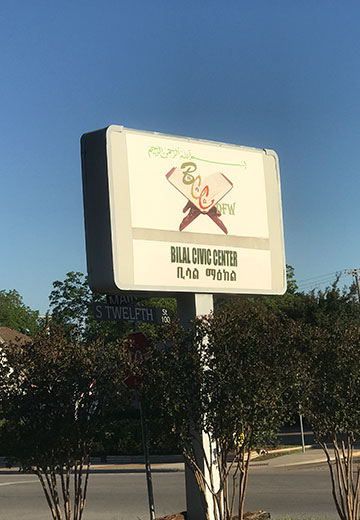
Bilal Community Center
Frequently Asked Questions
How can I become a member of BCC?
You can email the pr@bilalcommunity.org and request membership information or press the link HERE to go directly to the application form.
Q: What is the benefit of becoming a member at BCC?
As a BCC member you can enjoy many benefits. Apart from being a member of such a distinguished organization with many respectable reputations, you benefit from many services rendered free and with small fees. There are benefits that are exclusive for members only and there are benefits for all community members and supporters. In all programs and services, members have the priority.
Some Benefits Include:
- Free usage of the current facility for one day during the death of family members here or abroad.
- Discount fee for use of facility for wedding, birth days, graduation and other events.
- Discount fee for Quran School at Nebel Hamza Quran academy with priority with membership
- Enrollment with Bilal women’s Edir requires Bilal membership that has its own many benefits.
- Bilal members discount for special events sponsored by BCC
Q: When do I become eligible to vote or participate in elections after signing in membership?
See membership benefits and BCC bylaws section voters’ eligibility.
Can I visit the center?
Bilal Community Events
Upcoming Events &
Programs
Jul, 04 2024
Time: 9:00AM CST
Location: Dallas, Texas
Badr Ethiopia 2024
Come join the community during Badr Ethiopia 2024 in Dallas, Texas!
Mar, 30 2024
Time: 7:00PM CST
Location: Allen, Texas
Fundraising Event
Come join the community on raising funds for the future of BCC.